
Facebook
  • KA MEI,Paper Patchwork,Woven Paper Patchwork Sheet - Straw Material Supplier
  • KA MEI,Paper Patchwork,Woven Paper Patchwork Sheet - Straw Material Supplier
  • KA MEI,Paper Patchwork,Woven Paper Patchwork Sheet - Straw Material Supplier
  • KA MEI,Paper Patchwork,Woven Paper Patchwork Sheet - Straw Material Supplier
Need Custom Packaging?
Tell us your product, size, quantity and artwork. Our packaging engineers will recommend the most suitable structure, material and finishing for your project.
✔ OEM & ODM Factory
✔ FSC Certified Materials
✔ Luxury Printing
✔ Low MOQ
✔ Fast Sampling
✔ Worldwide Shipping
✔ EUDR & PPWR Ready
✔ Since 2005
  • Description

  • Feedback

  • Factory Show

Product Overview

Paper patchwork is a woven sheet, supplied flat and cut to your format rather than made up into a handle, a box or a tag. Paper strands are woven into a matte face and the sheet is finished so that what arrives is a material you apply to a surface you are already building: the outside of a rigid gift box, the front panel of a paper bag, or the face of a hang tag.

That makes it a different purchase from a finished component. Box makers and converters buy it to laminate or wrap over their own board and keep control of structure, thickness and assembly. Brands buy it when a printed wrap reads as too flat and a textile would be too costly or too soft, but they still want a face that looks and feels woven rather than embossed to imitate one.

Everything about the sheet is settled from a physical reference. You send the board, the bag or the tag you are matching, the shade and the sheet format are agreed against it, and that approval sheet becomes the standard every delivery is checked against. Nothing is chosen from a screen.

The same plant then prints and finishes the boxes, bags and tags this sheet is applied to, which is how a wrap, a bag panel and a tag face end up on one colour standard instead of three.

Applications

  • Rigid gift box wraps. The most common place this sheet lands is the outside of a set-up box — a wine or spirits box, a perfume box, a watch box or a jewelry box. It is laminated over greyboard before assembly, so the weave runs flat across the lid and the corners take a clean fold.
  • Bag panels. A paper bag with a plain printed face can carry a woven panel on the front instead, applied before the handle is fitted so the panel edge and the handle anchor line up.
  • Hang tag faces. On a heavier tag board, a woven face gives the brand mark some tooth; a face like this takes a foil mark or a blind emboss differently from a coated stock, so proof it on the actual sheet before the run.
  • Sleeves, bands and belly bands. A narrow band of the same sheet around a box or a bottle keeps the material story consistent with the pack it belongs to without covering the whole surface.
  • Lid linings and drawer fronts. Where a box opens to reveal a lined interior, the sheet can line the lid or the drawer face so the inside of the pack reads the same as the outside.
  • Converters building their own wraps. Bag and box converters buy this sheet from a straw material supplier rather than from a handle or tag maker, because the material has to behave on their own laminating and wrapping line before anything else about it matters.

Material & Construction

Woven paper fabric is built by weaving paper strands into a flat sheet and finishing the face so it reads as a textile rather than as a board. Two things follow from that construction.

The first is direction. A weave has a grain, and a panel cut across it catches raking light differently from one cut along it — which is why sheet layout is planned around the panels rather than around yield alone. The second is behaviour at the edge. A woven sheet wraps and folds, but it does not stretch the way a textile does, so corner work is a matter of scoring and a steady hand rather than of pulling the material round.

The face is matte. That is why it photographs as texture instead of shine, and why it sits comfortably beside uncoated board, kraft and soft-touch laminates rather than fighting them.

It is supplied as the bare sheet by default, which keeps the adhesive, the backing board and the print method in your hands. If you would rather take it printed or laminated before delivery, raise that at specification stage and the face is tested against your artwork first.

Because the surface is paper, it takes ink and foil the way paper does — which is to say, not identically to a smooth coated stock. Fine type, thin foil lines and sharp emboss edges all behave differently on a woven face, so a proof on the actual sheet, run before production, is what saves a reprint.

Specifications

ReferenceKM-PR-005
MaterialWoven paper fabric
FormFlat sheet, cut to your format
SurfaceMatte woven paper face
ColourMatched to your approved sample or swatch
Sheet sizeAgreed per panel, including your wrap allowance
EdgesStraight cut
Typical useBox wraps, bag panels, tag faces
Applied byBuyer, by laminating or wrapping onto their own board
DirectionWeave direction marked on the layout before cutting

Sheet Format & Colour Matching

  • Start from the panel, not from a stock sheet size. Send the panel dimensions and the wrap allowance you work to — the amount the sheet turns over the edge — and the sheet is cut around that rather than around a mill size.
  • Mark the weave direction. Say which way you want the weave to run on the finished box or bag. On a lid and a base that sit side by side, both should run the same way or the set reads as two different materials.
  • Send the thing you are matching. A board offcut, the bag the panel goes on, or the tag from the previous run is worth more than a colour code: paper patchwork is matched to a physical reference, not to a number on a screen.
  • Approve under your own light. A wrap that matches in a meeting room can read differently under commercial display spotlights, so sign off the approval sheet in the lighting your product is actually displayed in.
  • One standard across the set. Where the same sheet wraps a box and forms a bag panel in one programme, both are cut from one approved sheet so the shade holds across the set rather than drifting between components.
  • Keep the approval sheet for the reorder. Holding the signed sheet on file is what lets the next run be checked against the delivery your customer already accepted.

Factory Show

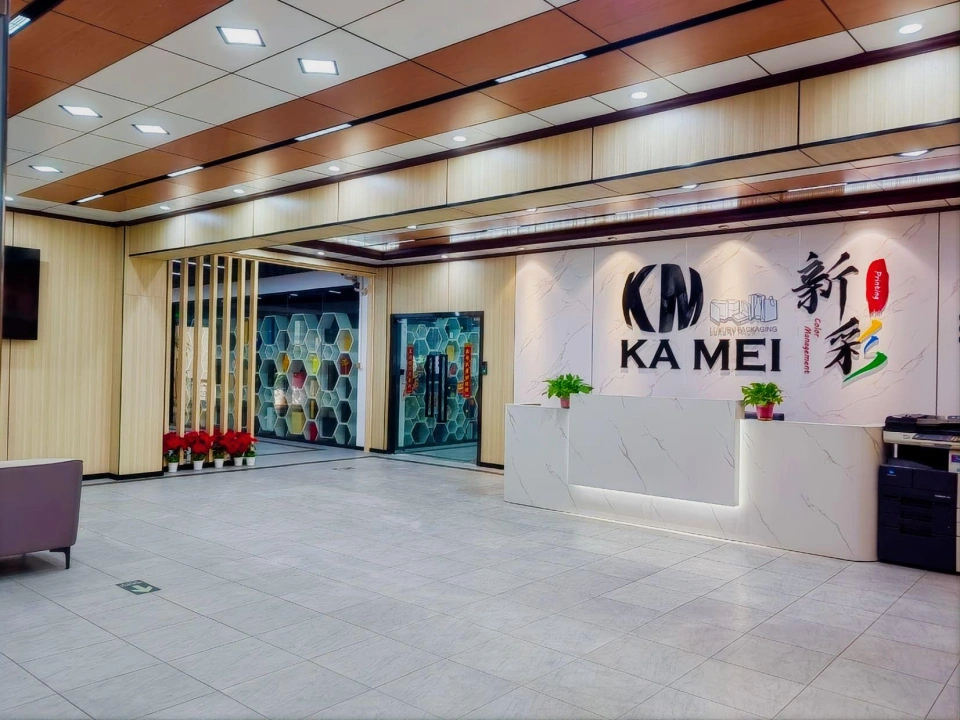
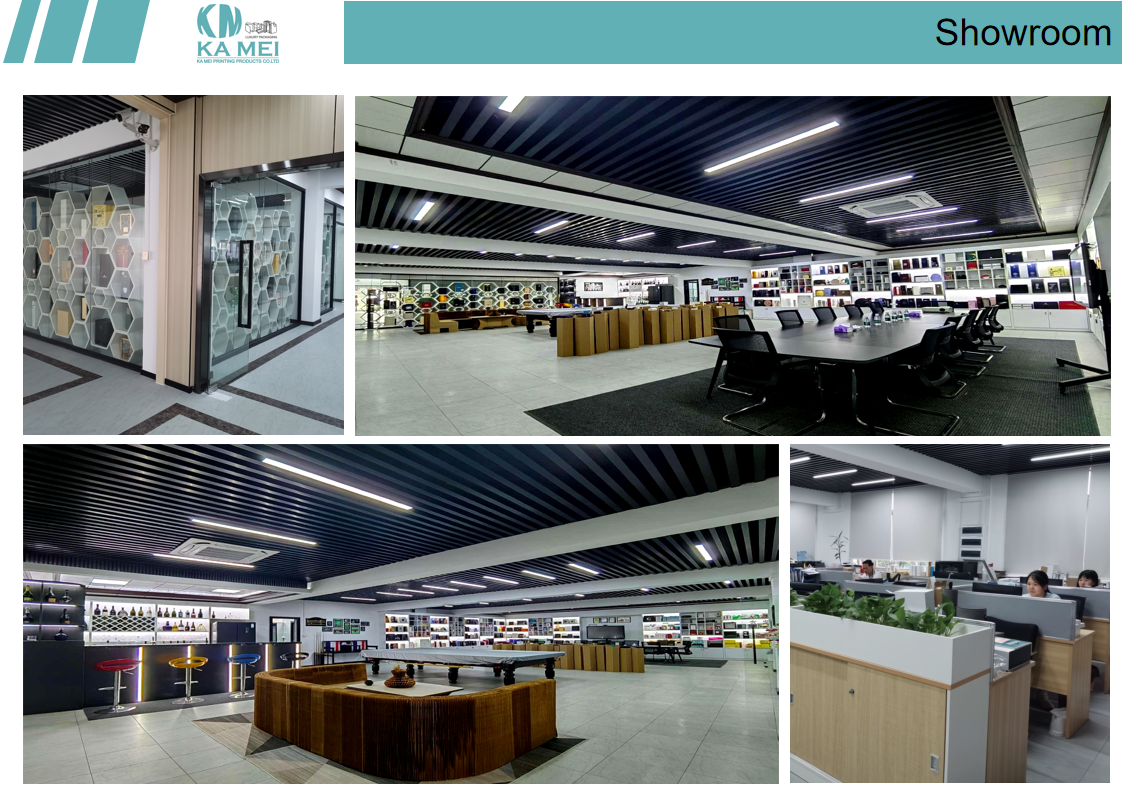
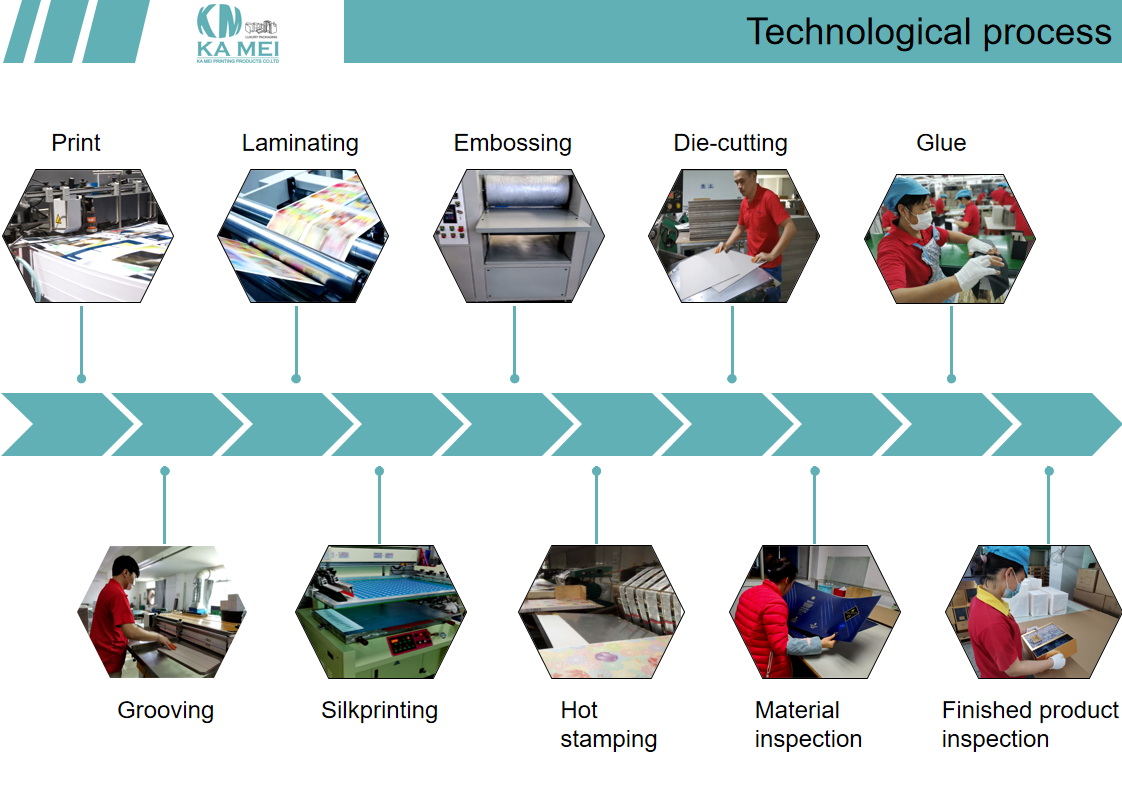
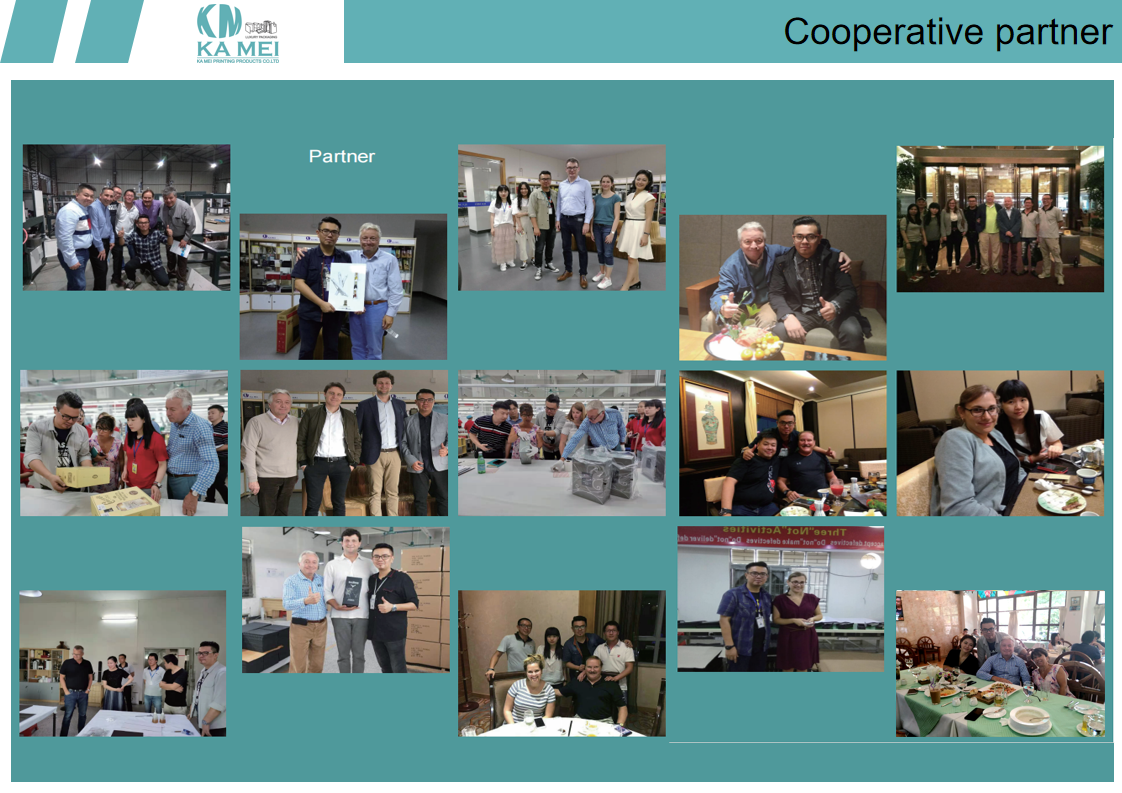
KA MEI's plant in Dongguan is where the boxes, bags and tags that carry this sheet are printed and finished, and the same floor sets the standard the material is judged by. Printing runs on a German KBA press with 6C+1 varnish, with die-cutting, V-slotting, automatic slotting, UV silk screen and hot stamping all in house — which matters for a wrapped panel, because a crease that is slightly out shows far more on a textured face than on a plain one.

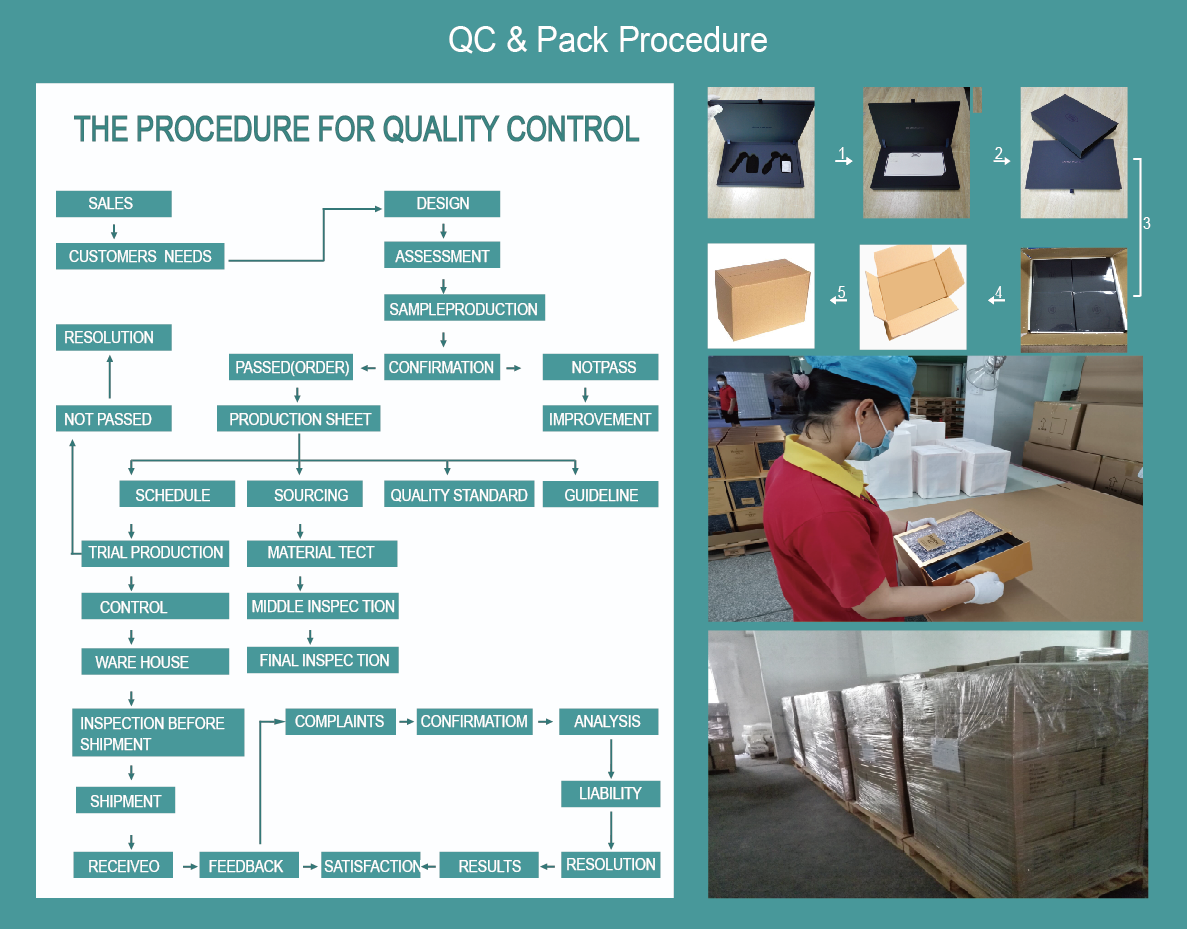
Quality control works from instruments rather than from the eye. A colour test machine and a printing and dyeing densitometer measure the shade; a moisture meter and a constant temperature and humidity chamber keep paper from taking up water before it is wrapped; a xenon aging tester checks how a face holds its colour; and a shaking table simulates road transport before a carton leaves the building.

Material inspection, finished-product inspection and full inspection run as separate checks, so a defect is caught at the stage where it happens rather than at the end of the line.

For a converter running this sheet on their own equipment, the practical value is that the plant already handles the same material upstream: the questions a wrapping line asks about a face — how it cuts, how it creases, how it takes print — are being answered on this floor every week.

Certification & Compliance

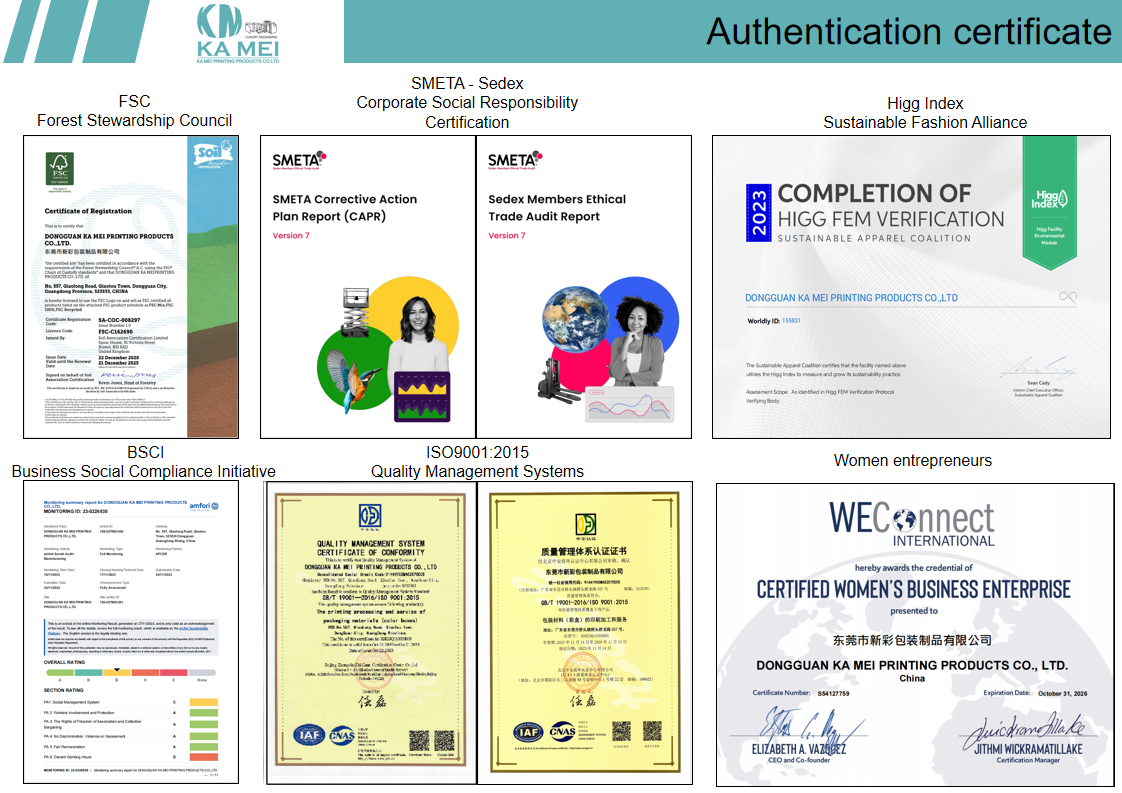
  • FSC-certified paper sourcing. The paper side of the business works to FSC chain-of-custody, which is the first document most European commercial programmes ask for when a wrap material is specified.
  • EUDR and PPWR documentation. For European programmes, the paper-sourcing and packaging-waste paperwork is discussed at specification stage — ask your contact for the current set covering your market rather than assuming last season's pack still applies.
  • BSCI and Sedex SMETA social audits. Both are current, which is what lets a buyer's own compliance team close the supplier file without a second round of questions.
  • ISO 9001:2015 quality management. The quality system behind batch records, inspection stages and corrective action on a repeat run.
  • Higg Index. Sustainability measurement for the facility, used by brands whose own reporting requires a facility-level score.
  • The certificate pack itself. When a buyer is qualifying a straw material supplier, the paperwork is usually requested before the first order, so it is worth asking for the current certificates and the audit summary at enquiry stage and keeping them on file.

Ordering & Delivery

  1. Send the panel size, the surface you are wrapping and the reference you are matching. A board offcut or the bag itself is the most useful thing you can attach to an enquiry.
  2. Agree the sheet format and the shade on a physical approval sample. That sample, not a description, is what the run is checked against.
  3. Confirm the quantity you need per design, the packing format and the delivery terms with your sales contact. Order quantity, lead time, payment terms, packing and shipping are quoted per project, so they are settled in the quotation rather than read off a page.
  4. Approve the pre-production sample and the cut layout together, so the sheet that arrives is the sheet that was signed off.
  5. Production, inspection and dispatch follow. Ask your contact about sample availability, the packing method, and the document set your own customer will want at the other end.

Buyer Feedback

After a first delivery, the conversation about this material usually comes back to three practical points rather than to how it looked in a photograph.

The first is shade under the buyer's own lighting — a wrap that matched on the approval sheet in daylight can read warmer under a shop spotlight, which is why the approval is signed off in the lighting the product sells in.

The second is flatness. A sheet that has taken up moisture in transit will not lie flat over a board, so the packing method and the humidity of the container are part of the material's performance, not an afterthought.

The third is edge behaviour: how the sheet cuts, how it folds over a corner, and whether the crease sits where the layout said it would.

Where a repeat run is planned, buyers tend to keep the approved sheet on file and check the new delivery against it rather than against a colour number, which is the habit that keeps a second season matching the first.

Scale & Supply Capability

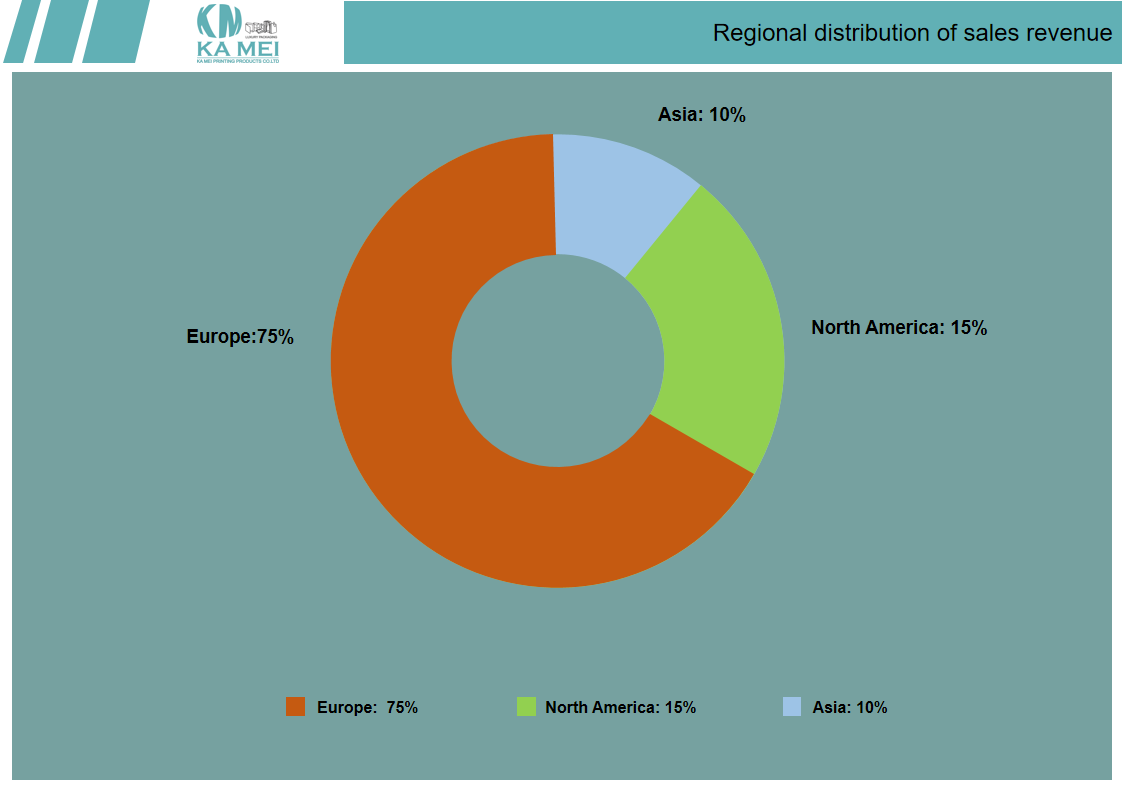
KA MEI is a packaging manufacturer working out of our own 15,000 sqm plant in Dongguan, Guangdong, where 200–350 staff have served brand and wholesale buyers since 2005. We hold the position of a one-stop supplier: rather than splitting a programme between several vendors, you place the whole requirement with one factory and one quality system, with ODM customisation built around your specification, artwork and approved sample. FSC, BSCI, Sedex SMETA, ISO 9001 and Higg Index credentials support European and North American programmes, and we ship to buyers across Europe, North America and Asia.

FAQ

What is paper patchwork used for?

It is a wrap material rather than a finished part: it goes onto the outside of a rigid gift box, the front panel of a paper bag, or the face of a hang tag. Converters laminate or wrap it over their own board; brands use it where a printed surface reads as too flat. It is not a handle cord and not a structural board on its own, so it is always applied to something you are already building.

Can the woven face be printed or foil stamped?

The face is paper, so it takes print, foil and emboss — but not the way a smooth coated stock does. Fine type, thin foil lines and sharp emboss edges behave differently on a woven surface, so ask for a proof on the actual sheet before the run is committed, and choose the print method against that proof rather than against a paper swatch.

How is the shade matched to our box or bag?

Against a physical reference you send us: a board offcut, the bag, or the tag from the previous run. The shade is agreed on an approval sheet and that sheet is what the production run is checked against. Approve it under the lighting your product actually sells in, because a wrap that matches in a meeting room can read differently under display spotlights.

Does it arrive in rolls or flat sheets?

As flat sheets cut to the format you specify. The woven paper fabric is supplied flat so it can be laminated or wrapped without being flattened out first, and the sheet size is worked out from your panel dimensions plus the wrap allowance you use.

Does the direction of the weave matter?

Yes. A woven face has a grain, and a panel cut across it catches light differently from one cut along it. On a lid and a base that sit side by side, run the weave the same way on both or the set looks like two materials. Mark the direction on your layout and the sheets are cut to it.

Can you apply the sheet to the boxes for us?

Yes. We make the rigid boxes, bags and tags this material goes onto, so you can take the sheet on its own and apply it yourself, or have it wrapped onto your box in the same plant. As a straw material supplier both routes are quoted from the same approved sheet, so the shade does not change between them.

Hailey Allison
★★★★★
Reviewed in the United States on December 3, 2025

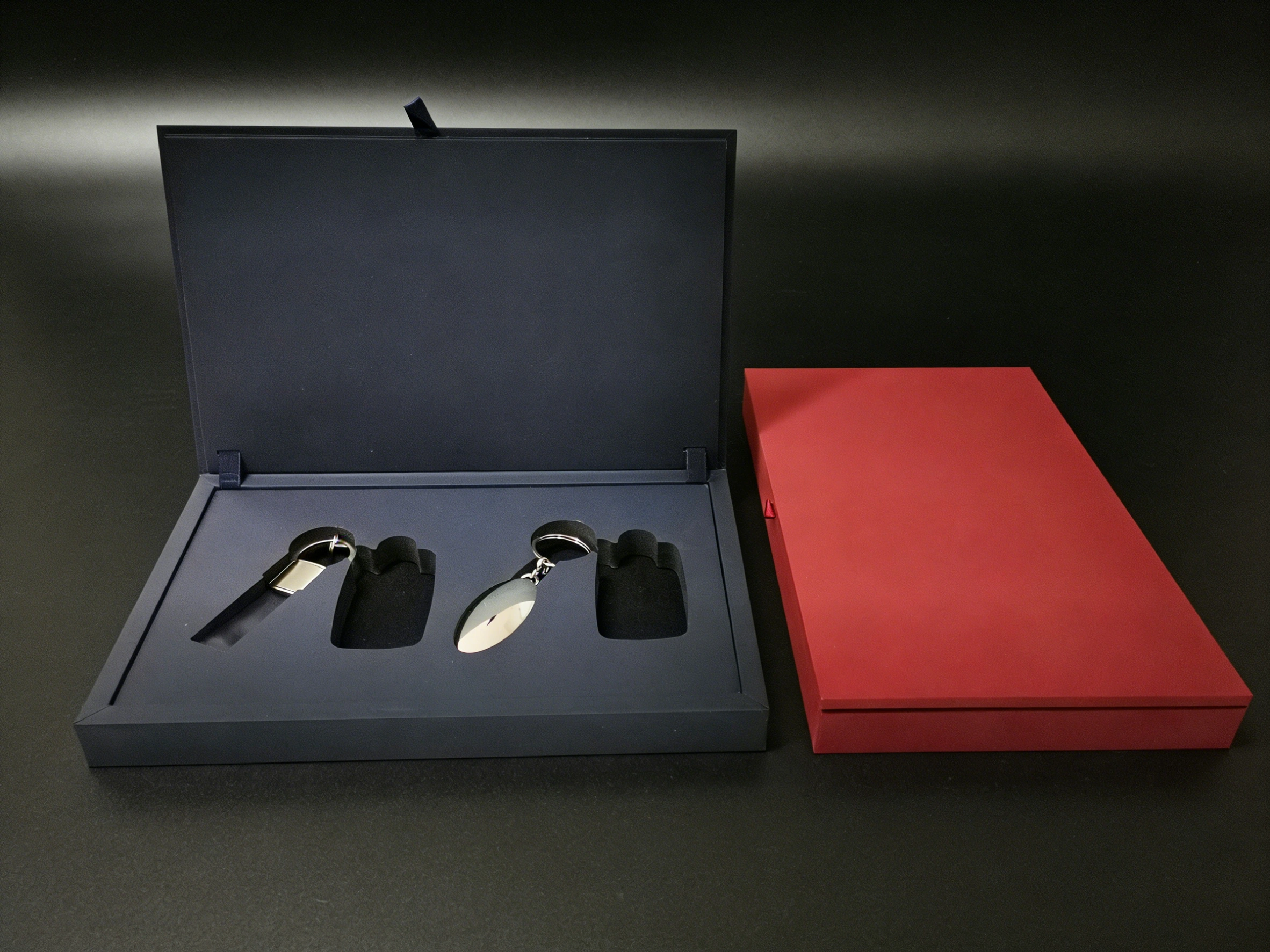
Outstanding B2B packaging solution! The rigid structure, precision foam insert, and elegant red/navy color scheme have significantly elevated our keychain gift sets. Reliable production, clear communication, and consistent quality—we’ll be reordering for our next campaign.

Custom rigid keychain gift packaging box
Report
Maria
★★★★★
Elegante
Reviewed in Spain on 11 March 2025

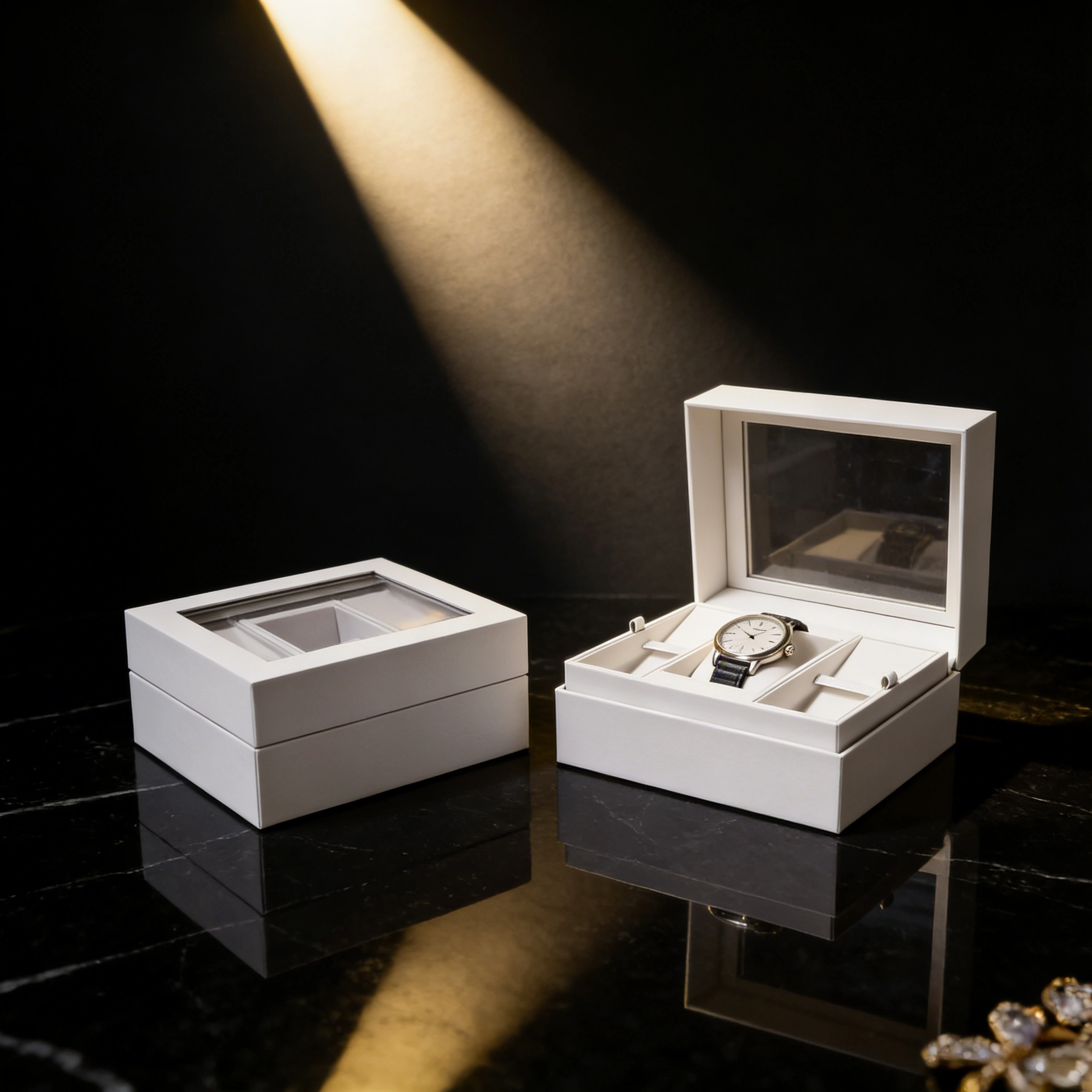
Exceptional watch packaging! The sleek matte white design, secure foam insert, and dual-window display have elevated our product presentation perfectly. Reliable production, precise customization, and consistent quality—we're reordering for our next collection launch.

Custom white watch packaging box Already translate review to English
sylvie
★★★★★
Belle boite a bijoux et montres
Reviewed in Italy on 1 December 2024

"We chose these custom octagonal perfume boxes for our luxury fragrance collection, and they’ve elevated our brand’s presentation perfectly. The faceted pink design is modern and elegant, standing out on retail shelves. The rigid structure and soft velvet lining protect delicate glass bottles securely during shipping. The manufacturer delivered precise custom sizing and met our tight deadline with consistent quality. These boxes have received glowing feedback from clients, boosting our product’s perceived value. A reliable, stylish packaging solution we highly recommend for B2B luxury goods."

Custom octagonal luxury perfume boxes Already translate review to English
Juan Valera
★★★★★
Reviewed in Australia on 31 January 2025

"We ordered these pink octagonal ring boxes for our luxury jewelry line. The soft texture and plush velvet lining create a premium unboxing experience. The sturdy build protects delicate pieces, and the manufacturer delivered precise customizations on time. A standout packaging choice for our brand."

Custom pink octagonal ring boxes
cmimp
★★★★★
Reviewed in France on 18 November 2024

"As a French wine importer, we are highly satisfied with these black octagonal wine boxes. The matte finish and satin lining convey luxury, perfectly protecting bottles during transit. The manufacturer delivered our order strictly on schedule, and their after-sales team responded promptly to our minor adjustment requests. This reliable packaging has enhanced our brand’s premium image, and we look forward to long-term cooperation."

Custom black octagonal wine packaging box
Report
Already translate review to English
raffinato ed elegante
★★★★★
Reviewed in Italy on 22 June 2023

"We ordered these black octagonal wine boxes for our premium collection. The elegant design and sturdy build perfectly protect our bottles. The supplier’s team responded promptly to all inquiries, and the entire cooperation process was smooth and efficient. Great packaging solution!"

Premium black octagonal wine box
Report
Already translate review to English

KA MEI

Established in 2005, is a large-scale packaging factory with FSC,BSCI,sedex,HIGG,ISO9001-2015 quality management system certification, specializing in design development and mass production of high quality fine box wine box, watch box, jewel boxPerfume box and electronic packing box, and serving for those who need to enhance product value through high-end package.

After more than ten years development, we have built our own factory building with total area of 15000 square meters and own various equipment, German KBA printing press with 6C+1 varnish, die-cut machines, V slotting proof machines, paper cutting machines, automatic slotting machines, UV silk screening machines and hot stamping machines , multiple assembly lines with hundreds of experienced workers.

CONTACT US

If you have any queries, get in touch today! Don't hesitate. We try to take the extra step for our customer satisfaction.
Name
xxx
Email *
xxx@xxx.com
Estimated Quantity *
Message *
Got a question?
Destination Country *
Picture
Show us What you need
Code *
Click to verify
Leave a message
Name
xxx
Email *
xxx@xxx.com
Estimated Quantity *
Message *
Got a question?
Destination Country *
Picture
Show us What you need
Code *
Click to verify