Facebook
  • KA MEI,Premium Paper Packaging for B2B Wholesale - Custom Luxury Packaging,Punched for garments - small-format price tag
  • KA MEI,Premium Paper Packaging for B2B Wholesale - Custom Luxury Packaging,Punched for garments - small-format price tag

Premium Paper Packaging for B2B Wholesale - Custom Luxury Packaging

No.KM-HT-012

Premium Paper Packaging designed for B2B Wholesale.

Customizable Size, Customizable Color - supports custom logo & bulk orders.

  • KA MEI,Premium Paper Packaging for B2B Wholesale - Custom Luxury Packaging,Punched for garments - small-format price tag
Need Custom Packaging?
Tell us your product, size, quantity and artwork. Our packaging engineers will recommend the most suitable structure, material and finishing for your project.
✔ OEM & ODM Factory
✔ FSC Certified Materials
✔ Luxury Printing
✔ Low MOQ
✔ Fast Sampling
✔ Worldwide Shipping
✔ EUDR & PPWR Ready
✔ Since 2005

  • Description

  • Custom Details

  • Feedback

  • Factory Show

Small-Format Price Marking

A price on a rail has to be readable in two seconds and then get out of the way. This is a compact retail price mark card: one small card printed with your price field and logo, punched once and fixed to the garment so the number sits where a shopper looks for it while the piece itself still reads clean.

The punched price card is the quiet member of a tag set. The larger brand tag carries the story, the stock and the logo treatment; this paper tag carries the number. Run the two together and each does its own job — the shopper sees what the piece costs, and the brand still looks like the brand rather than a price board.

Most of the programmes we make it for use it across a whole range rather than one style: a garment line, a footwear line, belts and small leather goods on the same shelf, each with its own fixing. The card is printed to your artwork and punched at the position that suits how it is attached — through a care label, a buttonhole, a lace eyelet or a loop of cord.

Because there is so little room, the specification has to be settled properly before production: how wide the price field needs to be, how heavy the stock should be, where the hole sits, and how the card colour sits against the rest of the set. Get those four right and a small card looks deliberate. Skip one and it looks improvised.

Why a Small Format Works

  • The number stays legible. A single price field, set in a clean face at a size that suits a small-format price tag, reads at arm's length far better than a price crowded into a busy branding tag alongside logos and care copy.
  • Punched for your fixing, not ours. The hole is placed around the way you actually attach tags — care label, buttonhole, lace eyelet or cord loop — so the card goes onto the piece without a second operation.
  • Weight you can approve by hand. Stock is chosen against what the card has to do: a lighter sheet for a folded stack, a firmer board where the tag stands away from the garment.
  • Consistent from the first card to the last. Cutting, punching and finishing are held to the approved sample, so every card in the run sits at the same angle on the shoulder.
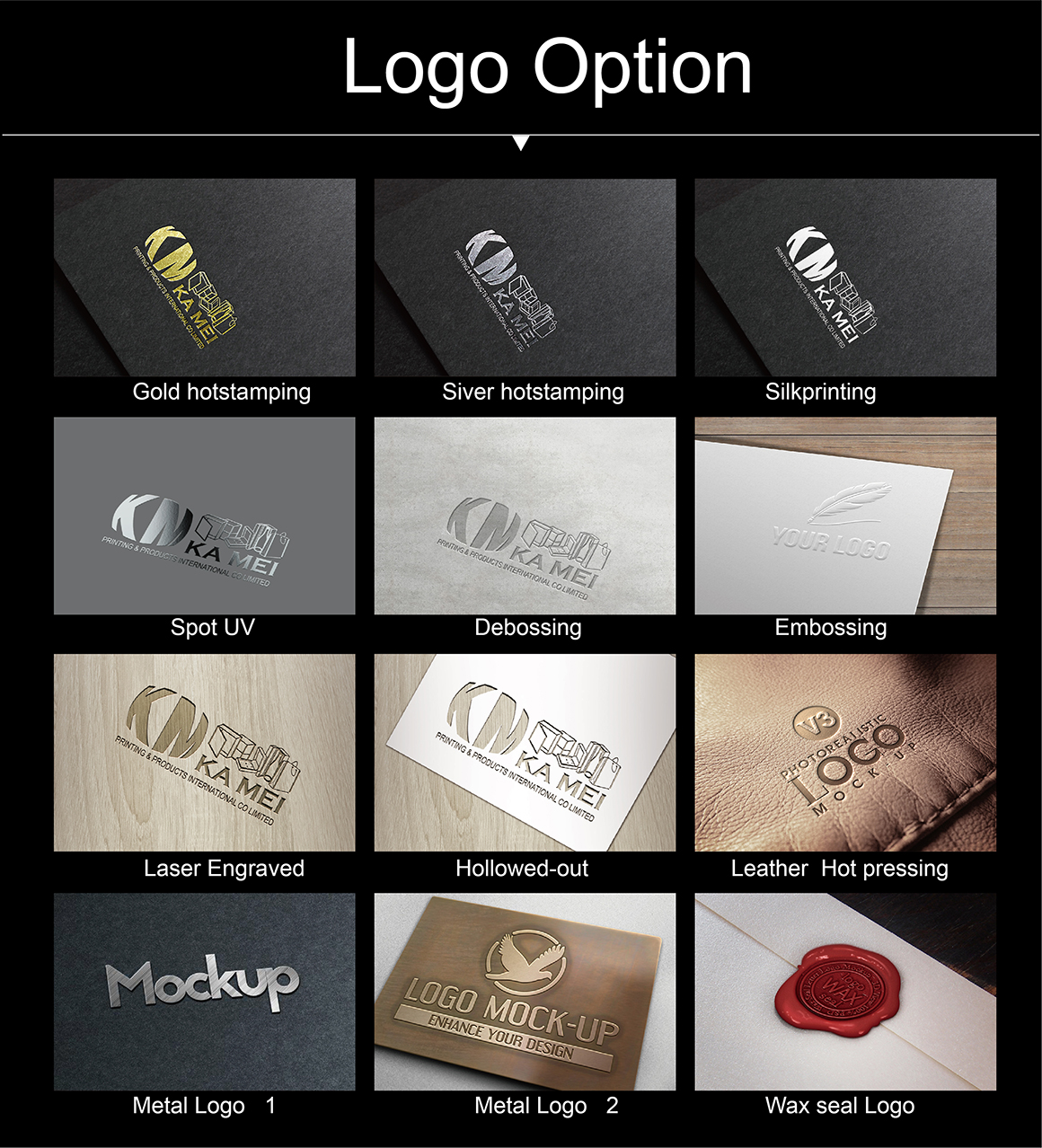
  • Finish that belongs to the set. Foil, emboss, deboss or spot UV can be selected so the price card reads as part of the brand tag rather than something bought separately.
  • One tag set, one source. Working with a single garment label producer for the brand tag and the price card keeps stock, colour and fixing aligned, and keeps one delivery date in the calendar instead of two.

Specifications

FormatSmall-format single punched price card
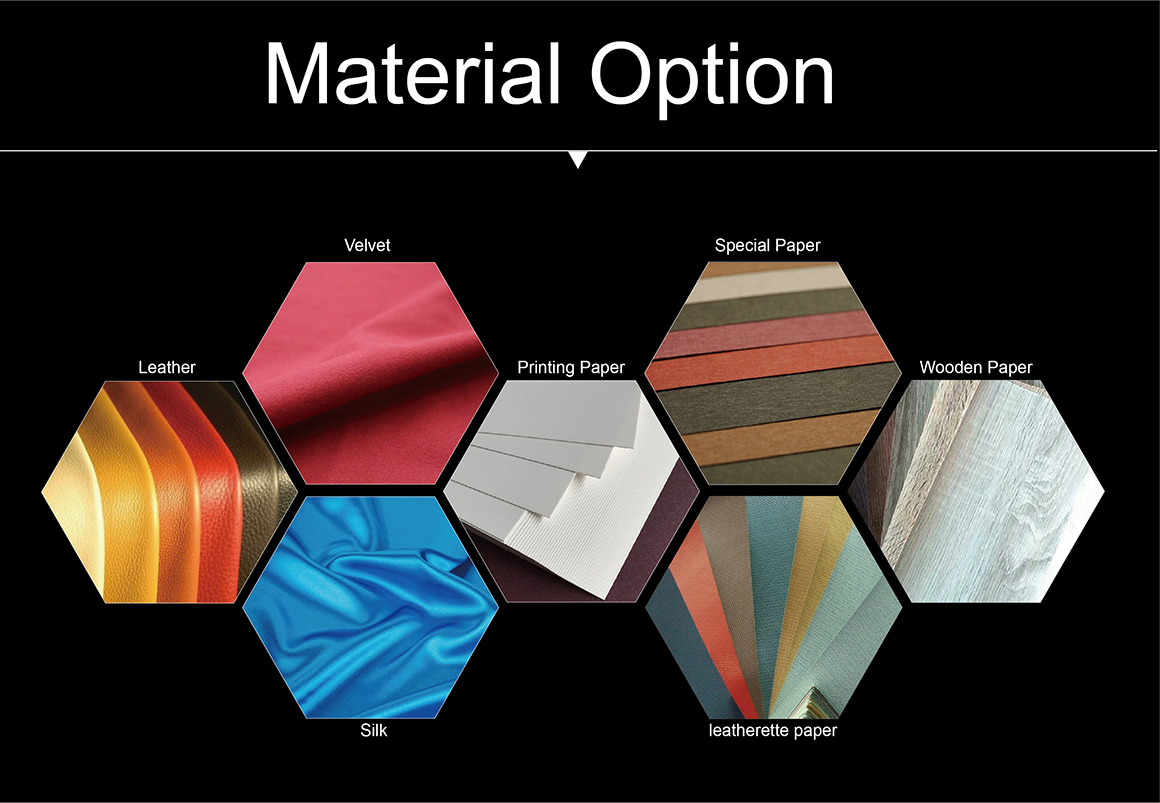
StockCustom-selected paper-based stock
PrintingPrice field and logo printed to your artwork
SizeMade to your stated dimensions
HolePunched at the position your fixing requires
FixingString, cord, ribbon, eyelet or another method agreed per project
ColourMatched to your approved reference
FinishingFoil, emboss, deboss or spot UV selected to brand identity
ConversionCutting and die-cutting to your outline
ReferenceKM-HT-012

Where the Mark Sits

  • On a garment rail. The most common fixing: a short string or fine cord through a care label or buttonhole, so the small-format price tag sits at the shoulder and is read before anything else on the piece.
  • On folded knitwear and denim. Tied through a belt loop or to the swing ticket with a narrow ribbon, keeping the number visible while the piece is stacked on a table.
  • On a pair of shoes. Threaded through a lace eyelet or looped around the pair with cord, so both shoes carry the same price without anything being stuck to the upper.
  • On belts, scarves and small leather goods. A cord loop through a buckle or around the folded item, where a full-size tag would dominate the product it is meant to identify.
  • On stock moving between channels. A plain paper tag keeps the mark separate from the brand tag, which is useful when the same piece is priced for a boutique, a department store concession and an outlet rail at the same time.

Custom Details

  1. Start with the fixing. Before anything else, decide whether the punched price card hangs on string, cord, ribbon, an eyelet or another method. That single decision dictates where the hole goes and how much border the card needs around it.
  2. Set the size to the price field. Currency symbol, number of digits and any size or style line decide the width the card actually needs. Size the card around the field rather than shrinking the type to fit a chosen card.
  3. Choose the stock and weight. A lighter sheet lies flat in a folded stack; a firmer board stands away from the garment and holds a cleaner edge. Weight is approved on a physical reference so there is no argument later about hand feel.
  4. Lay out the price field and logo. Logo placement and decorative finishing can be selected according to brand identity, but on a card this size hierarchy matters more than decoration — one element leads, the other supports.
  5. Select the finish. Foil, emboss, deboss or spot UV, chosen for how they read at small scale rather than for how they look on a large sheet.
  6. Approve the dieline and the printed reference. Hole position, cut edge and card colour are signed off before the run, so the production sheet matches what you saw in your hand.

Print, Finish and Brand Identity

On a card only a few centimetres wide, finishing is not decoration — it is the difference between a tag that looks considered and one that looks like a sticker. Printed information, a tactile surface and one or two decorative processes all have to work inside that small area, and each of them changes how the brand reads at arm's length and again in the hand.

Foil gives a logo a metallic edge that catches light on a rail. Emboss and deboss add relief you feel before you read the number. Spot UV lifts one element — usually the logo — off a matte surface while the price field stays flat and immediately readable. Used together, they need planning around the size of the card: a fine foil line and a shallow emboss hold their definition, while a crowded layout loses both.

The stock does half of the work. A coated sheet takes print sharply and gives a clean, bright price field; an uncoated or textured sheet feels warmer and suits a brand whose paper story matters. Either way, the substrate has to accept print, finishing and punching without the edge breaking down.

In larger production runs the things that decide whether the card looks right are dimensional consistency, forming and conversion accuracy, finishing quality and repeatability. A hole that drifts two millimetres between batches is visible on a rail. A foil that loses its edge halfway through a run is visible too. We hold the approved reference against the running sheets so the thousandth card matches the first.

What Buyers Check Before Approving

  • That the punch sits where the line needs it. Buyers hang one card on one garment before signing anything off, because a hole a couple of millimetres off turns an automatic attachment into a manual one.
  • That the price reads without leaning in. The card is checked at rail distance, not on a desk, since the whole format stands or falls on that first glance.
  • That the cut edge is clean all the way round. On a small card the edge is a large proportion of what the customer actually sees, so a ragged cut shows far more than it would on a full-size tag.
  • That the dieline is on file. Repeat orders are checked against the same drawing and the same approved reference, so a reprint does not quietly change shape.
  • That the fixing arrives the way the line wants it. Some finishing lines want the cards already strung; others want cards and cord packed separately so they can apply the fixing themselves. Whichever it is, it is agreed before production rather than after.

Multi-Market and Partner Programs

Brands selling into several countries usually need the same card to say slightly different things. A coordinated tag structure can carry localized text and destination-specific information — a translated size line, a market-specific price or a destination note — while the card itself, its stock and its fixing stay identical. That way the rail looks the same in every market and only the wording changes.

Trading companies and partners work the other way round: several brands, several designs, one shipment. Because the construction is already fixed, each design becomes a change of print and colour rather than a new development, and the designs can be planned as one production block with one delivery window.

As a garment label producer we keep a written specification for each design — stock, size, hole position, fixing, print and finish — so a partner can pass the same sheet to their own customer without translating it first. Where several markets or campaigns are involved, artwork and details are coordinated around one confirmed structural concept, subject to the final production requirements of each market.

Boutique and Premium Retail Presentation

  • A specialist stock instead of a utility board. A textured or coloured sheet lifts the card out of the plain-ticket category without changing its job.
  • Finishing that rewards a closer look. At a boutique counter the customer picks the piece up, so a debossed or foil mark that reads in the hand is worth more than a large printed graphic.
  • Deliberately quiet. The card carries the price and steps back; the garment, the hanger and the lighting do the selling.
  • Part of one set. Card colour and finish are chosen alongside the brand tag, box, bag and ribbon so the whole pack reads as one brand at the counter and again at unboxing.
  • Campaign-ready. Seasonal or promotional variants can be run on the same construction with a different print or foil, so a festive edit does not need a new die.

Ordering and Delivery

  1. Send the brief. Dimensions, stock preference, artwork, the price field, hole position, fixing method and the quantity you are planning — that is enough for us to come back with a workable construction.
  2. Receive the dieline and quotation. Pricing is quoted against size, appearance, process and quantity, so an accurate brief keeps the comparison meaningful.
  3. Approve a sample. Sample development is discussed against the confirmed specification, and colour is checked on a physical reference rather than on a screen.
  4. Place the production order. The minimum order quantity is 500 pcs per design. Dimensions, material, artwork, functional requirements and finishing are all confirmed before the run is scheduled.
  5. Allow for production time. Lead time is 30-60 days from confirmation, so seasonal programmes need the artwork approved before the calendar gets tight.
  6. Payment and shipping. Payment is by bank transfer with a 30% deposit and the balance before shipment. Trade terms are EXW or FOB, shipped by sea, air or express from Shenzhen or Hong Kong.
  7. Packing and storage. Cards are packed in individual polybags with PE foam on six sides inside an export carton. Keep the cartons dry and flat until the tags go to the finishing line.

Feedback

Buyers and brand teams are welcome to share feedback on samples, print quality, attachment choices and how the tags perform in store. Comments on artwork handling, packing and delivery are reviewed with the production team so that repeat orders and follow-up programmes can be adjusted accordingly. If you would like to pass on comments from your own retail or merchandising staff, the sales contact for your order is the quickest route, and any points that need confirming will be answered directly.

Behind the Scenes

Custom Branded Hang Tag is designed as a practical solution for retail branding, product identification, merchandising, and promotional communication. Made with custom-selected paper-based materials, it is suitable for fashion brands, footwear companies, accessory labels, retailers, and promotional buyers. The listed specification uses a customized format. Attachment details such as string, cord, ribbon, eyelet, or other fixing methods can be coordinated with the product and merchandising workflow. The final specification should be reviewed against product category, attachment method, information hierarchy, retail environment, and branding requirements rather than assuming one universal configuration for every project. For custom orders, dimensions, materials, colors, artwork, structural details, and application-specific components can be adjusted to suit the order, and the exact combination is confirmed with the team before production begins.

Scale & Supply Capability

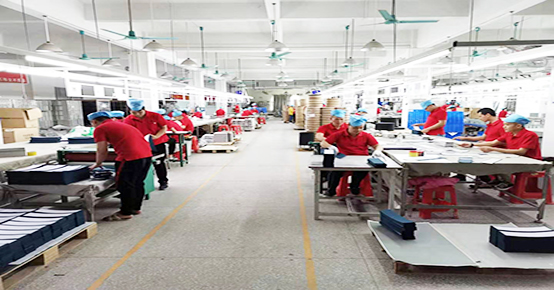
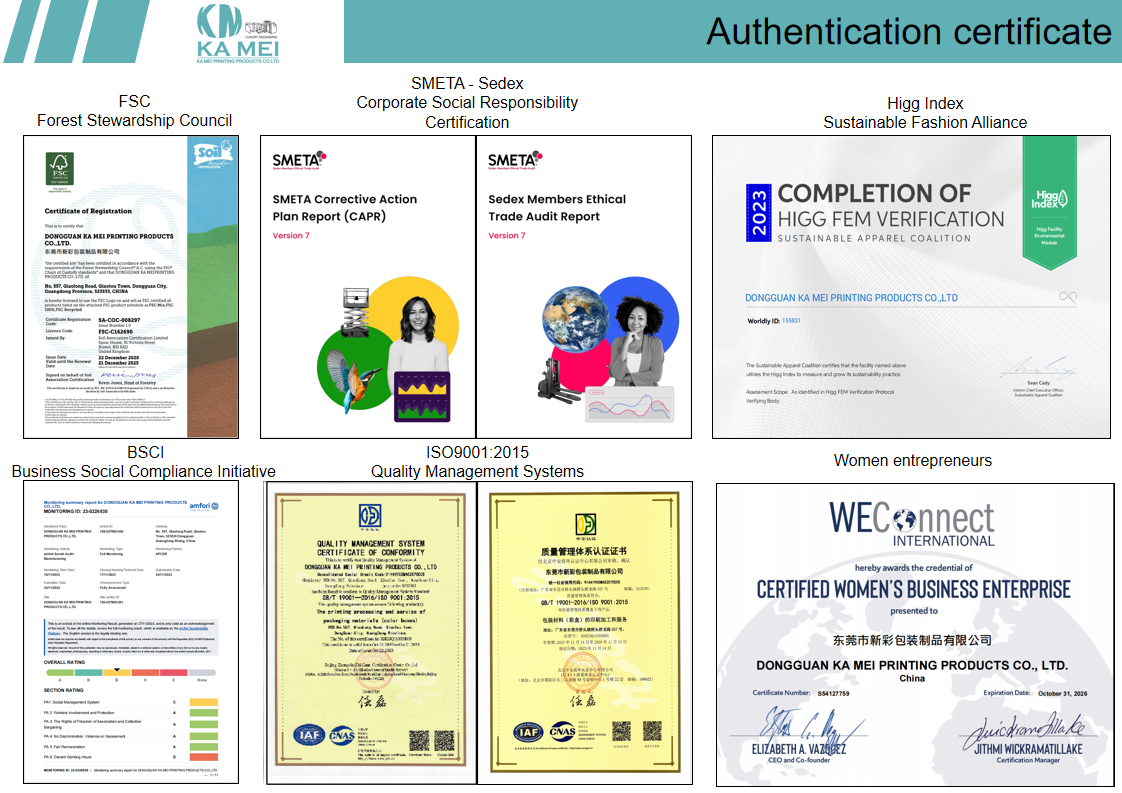
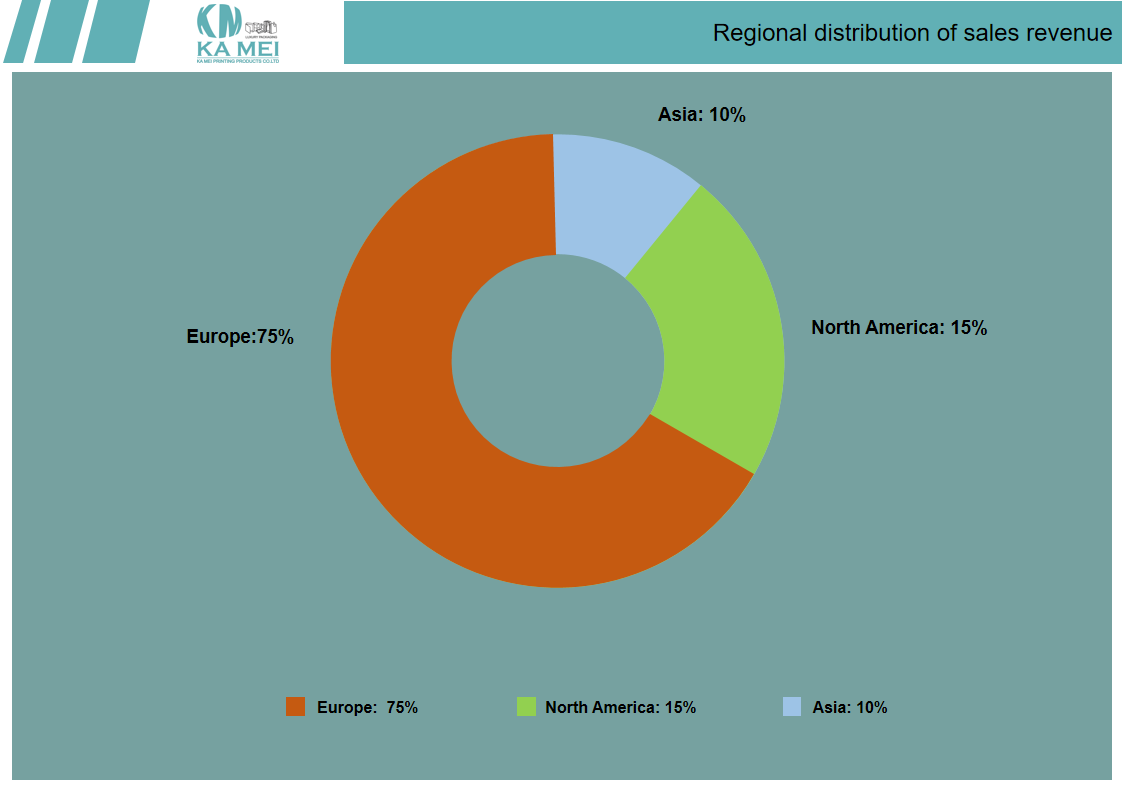
KA MEI has been making packaging in Dongguan, China since 2005, working from a 15,000 m² plant with a team of 200–350 people. We supply our full range as a single source, so the components of one project can be planned and produced together instead of being gathered from several places. Every order is made to your specification, artwork and branding, and we hold FSC, EUDR, BSCI, Sedex SMETA, ISO 9001 and Higg credentials. Enquiries reach us around the clock from Europe, North America and Asia.

FAQ

Can the price field and our logo both fit on a paper tag this small?

Yes, as long as one of them leads. In practice the price field is set first — currency symbol, digits, and any size line — and the card is sized around it. The logo then takes a secondary position, usually at the top or in a corner, at a size that still reads in the hand. If both elements are given equal weight the card starts to look crowded, which is why we lay the field out before choosing the size.

How do you decide where the hole goes?

From the fixing, not from the artwork. Tell us whether the card hangs on string, cord, ribbon or an eyelet, and where on the garment it attaches, and the hole position follows from that. It is then confirmed on the dieline before the die is made, because the punch position is the one detail that cannot be adjusted once the cards are cut.

Can the retail price mark card match the brand tag and box we already use?

That is the usual way we make it. Card colour is matched against the reference you supply — an approved swatch, a previous delivery or the brand tag itself — and stock and finish are chosen so the two pieces sit together. Send the existing tag or box with the brief and we will match to it rather than to a screen.

Do you supply these for footwear and accessories, or only for garments?

Both. As a garment label producer we make this card for apparel, footwear and accessory ranges, and the fixing changes with the product: a cord loop through a lace eyelet for a pair of shoes, a string through a buckle for a belt, a ribbon around a folded scarf. The card construction stays the same; only the punch position and the fixing change.

How do you keep the shade consistent between the first run and a reorder?

The approved sample becomes the reference and stays with the job. Stock, ink and finish are checked against it at the start of the next run, and the dieline is held on file so the size and punch position do not move. That is what keeps a reorder sitting correctly beside stock you still have on the shelf.

Can the fixing be supplied loose so we attach the tags ourselves?

Yes. Some finishing lines want the cards already strung, others prefer cards and cord packed separately so the attachment happens in their own workflow. Tell us which way your line works and the fixing is coordinated to match, whether that is string, cord, ribbon, an eyelet or another method.


Customized:Any material, colour, size and design can be customized
Processing: Cutting / Die-cutting / Assembling / Packing
Packing method:ndividual polybag,PE foam on 6 sides,export carton
MOQ:3000pcs
Price Description: quote according to product size, appearance, process and quantity
Sample fee: Quote by Sample
Sample time: 7-10 Day
Delivery time: 30-45 Day
Production capacity:1000000 Piece/Pieces per Month Wine box
Payment term:bank transfer(30% deposit, balance paid before shippment)
Trade term: EXW, FOB
Shipping method:  By Sea, Air, Express
Storage Tips: dry and collision proof
Port:Shenzhen, China, Hongkong
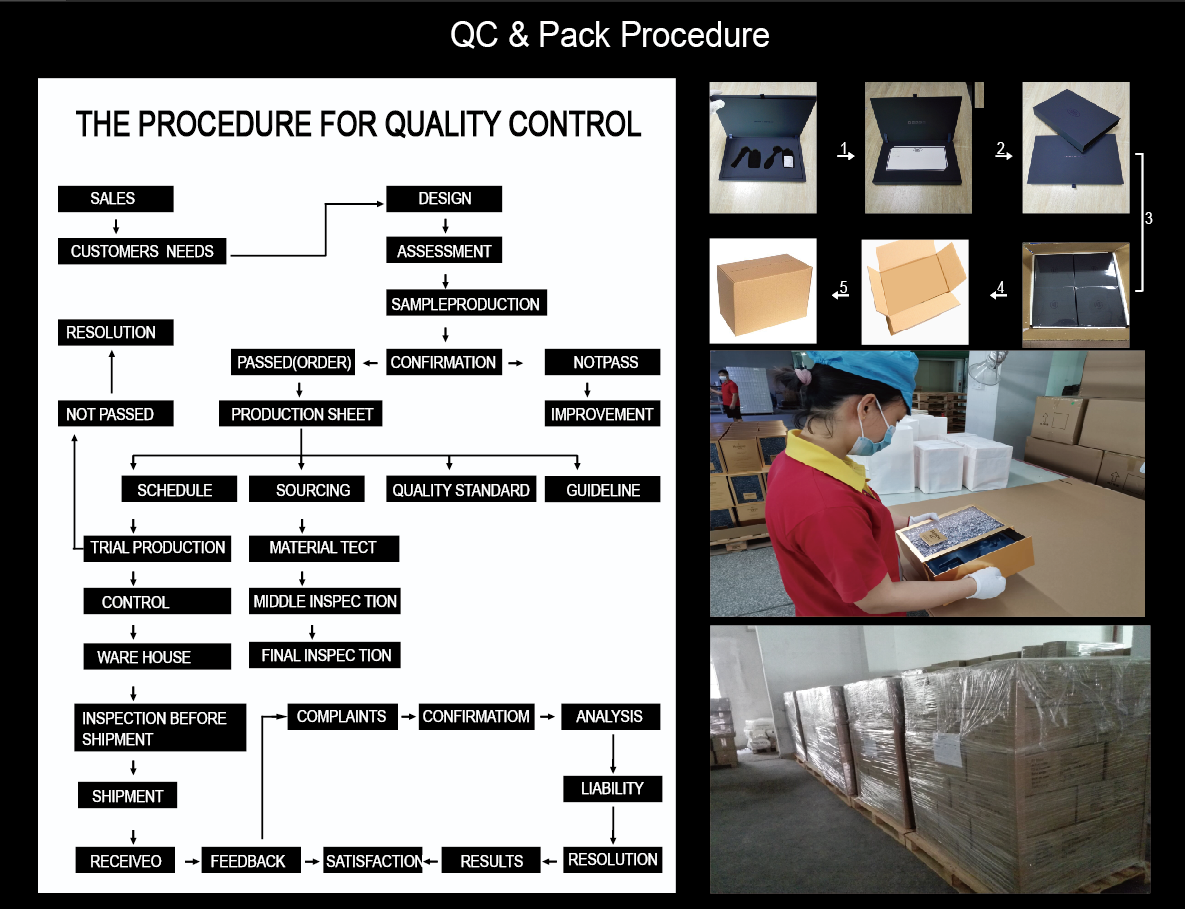
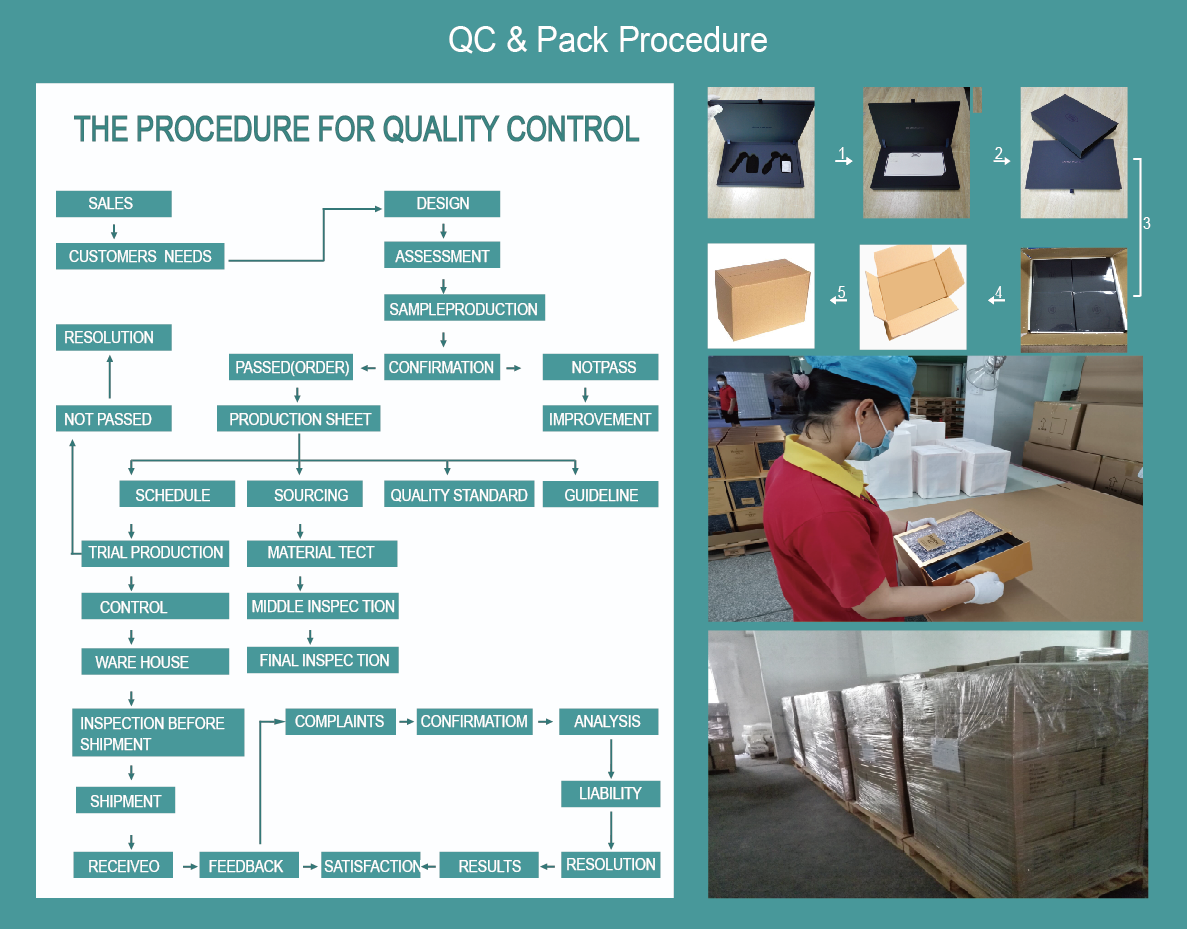
QC Control:  Each box was tested strictly by our professional  QC team 
Advantages: 

1) We launch lots of new designs monthly according to the marketing popular trends.

2) We are able to make design based clients ideas

3) We provide a one-stop service from sample design,development & production, quality inspection and after-sales service.

4) Quick and professional reply for any inquiry within 12 hours.


Hailey Allison
★★★★★
Reviewed in the United States on December 3, 2025

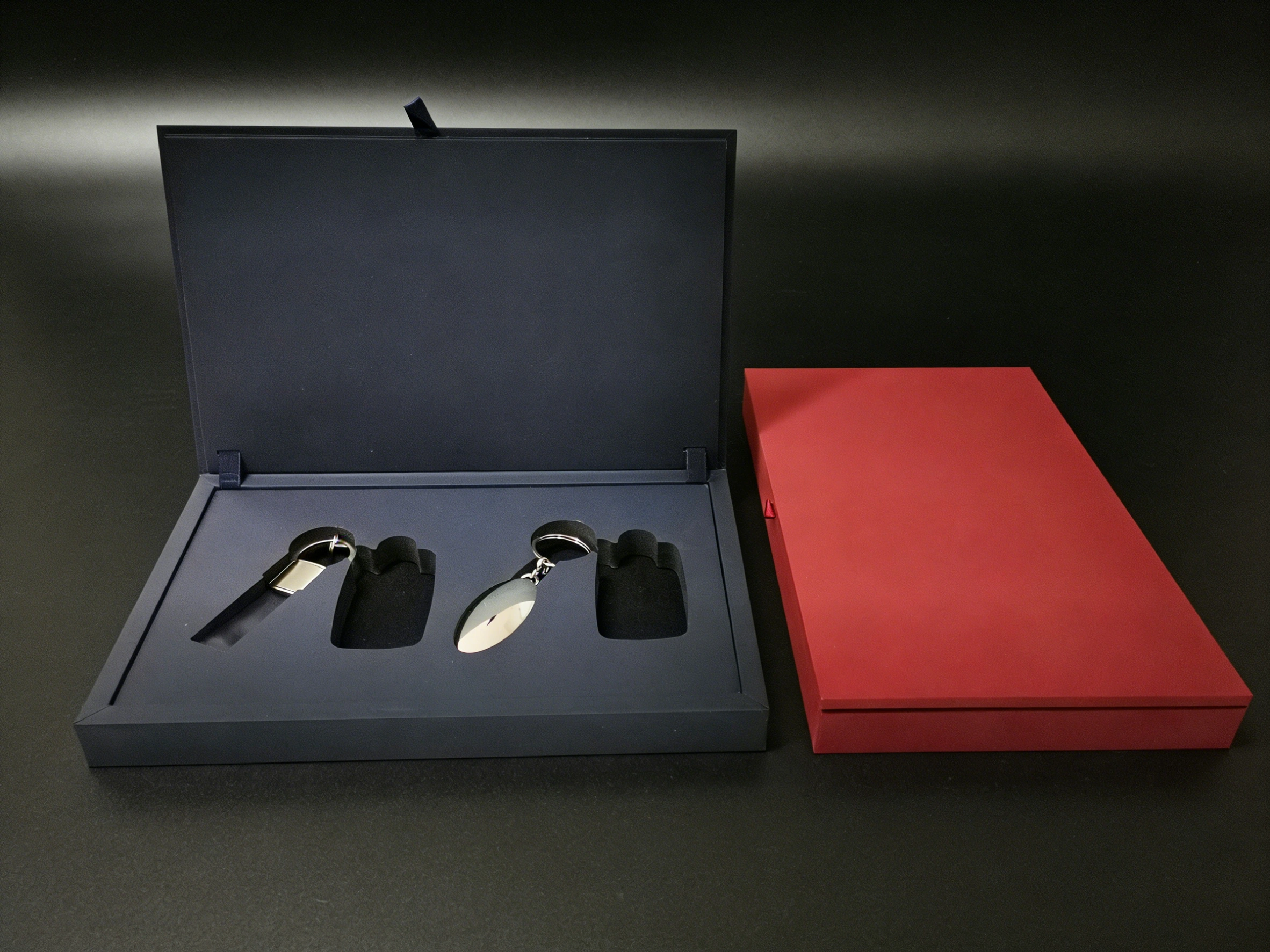
Outstanding B2B packaging solution! The rigid structure, precision foam insert, and elegant red/navy color scheme have significantly elevated our keychain gift sets. Reliable production, clear communication, and consistent quality—we’ll be reordering for our next campaign.

Custom rigid keychain gift packaging box
Report
Maria
★★★★★
Elegante
Reviewed in Spain on 11 March 2025

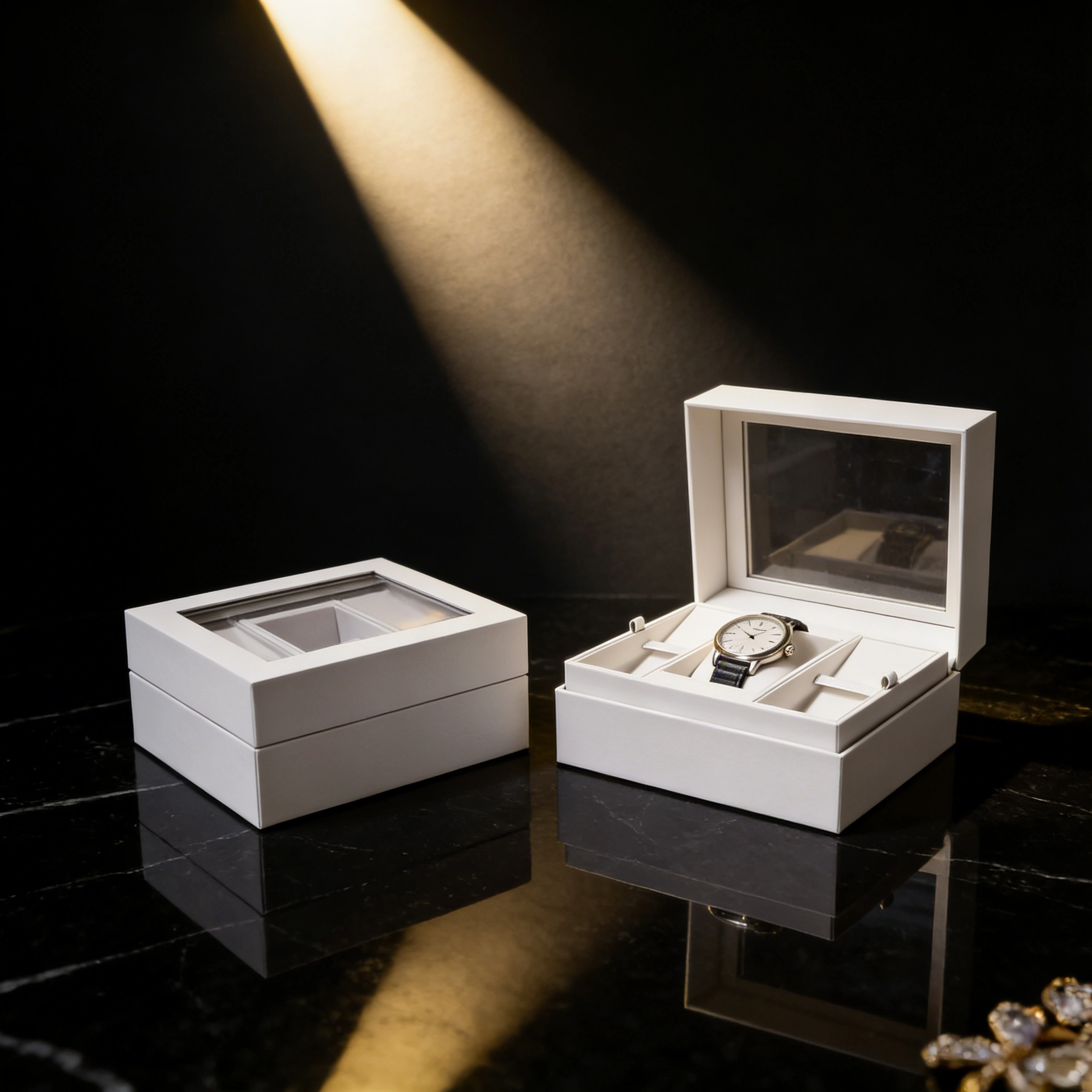
Exceptional watch packaging! The sleek matte white design, secure foam insert, and dual-window display have elevated our product presentation perfectly. Reliable production, precise customization, and consistent quality—we're reordering for our next collection launch.

Custom white watch packaging box Already translate review to English
sylvie
★★★★★
Belle boite a bijoux et montres
Reviewed in Italy on 1 December 2024

"We chose these custom octagonal perfume boxes for our luxury fragrance collection, and they’ve elevated our brand’s presentation perfectly. The faceted pink design is modern and elegant, standing out on retail shelves. The rigid structure and soft velvet lining protect delicate glass bottles securely during shipping. The manufacturer delivered precise custom sizing and met our tight deadline with consistent quality. These boxes have received glowing feedback from clients, boosting our product’s perceived value. A reliable, stylish packaging solution we highly recommend for B2B luxury goods."

Custom octagonal luxury perfume boxes Already translate review to English
Juan Valera
★★★★★
Reviewed in Australia on 31 January 2025

"We ordered these pink octagonal ring boxes for our luxury jewelry line. The soft texture and plush velvet lining create a premium unboxing experience. The sturdy build protects delicate pieces, and the manufacturer delivered precise customizations on time. A standout packaging choice for our brand."

Custom pink octagonal ring boxes
cmimp
★★★★★
Reviewed in France on 18 November 2024

"As a French wine importer, we are highly satisfied with these black octagonal wine boxes. The matte finish and satin lining convey luxury, perfectly protecting bottles during transit. The manufacturer delivered our order strictly on schedule, and their after-sales team responded promptly to our minor adjustment requests. This reliable packaging has enhanced our brand’s premium image, and we look forward to long-term cooperation."

Custom black octagonal wine packaging box
Report
Already translate review to English
raffinato ed elegante
★★★★★
Reviewed in Italy on 22 June 2023

"We ordered these black octagonal wine boxes for our premium collection. The elegant design and sturdy build perfectly protect our bottles. The supplier’s team responded promptly to all inquiries, and the entire cooperation process was smooth and efficient. Great packaging solution!"

Premium black octagonal wine box
Report
Already translate review to English

KA MEI

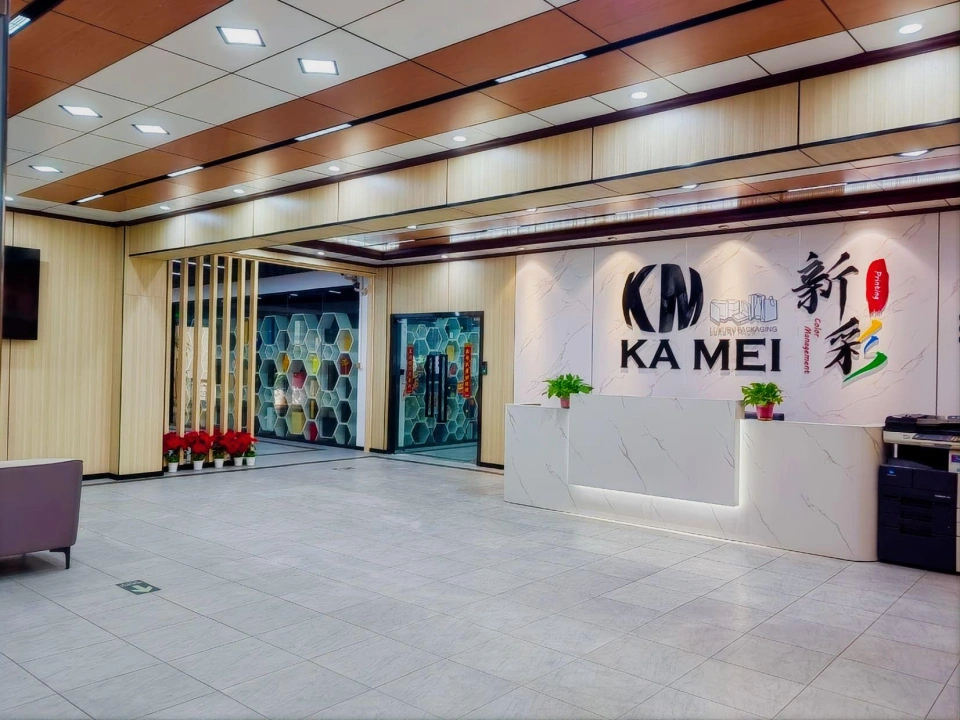
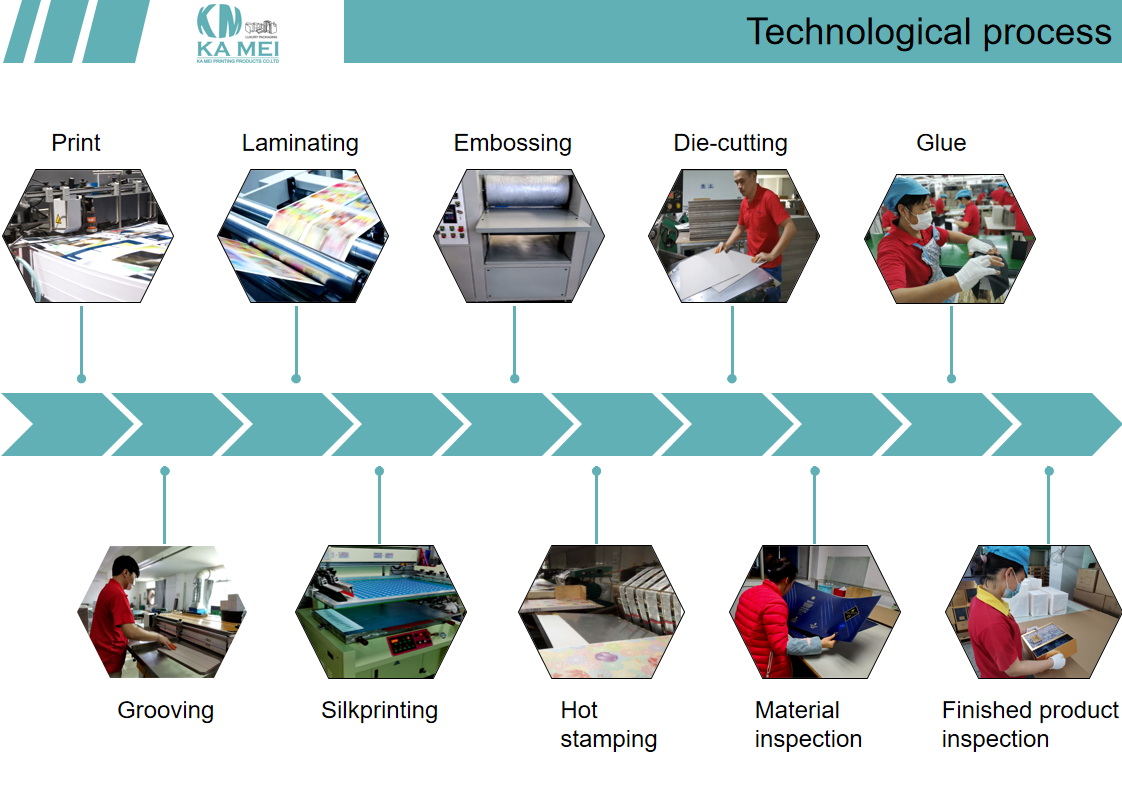
Established in 2005, is a large-scale packaging factory with FSC,BSCI,sedex,HIGG,ISO9001-2015 quality management system certification, specializing in design development and mass production of high quality fine box wine box, watch box, jewel boxPerfume box and electronic packing box, and serving for those who need to enhance product value through high-end package.

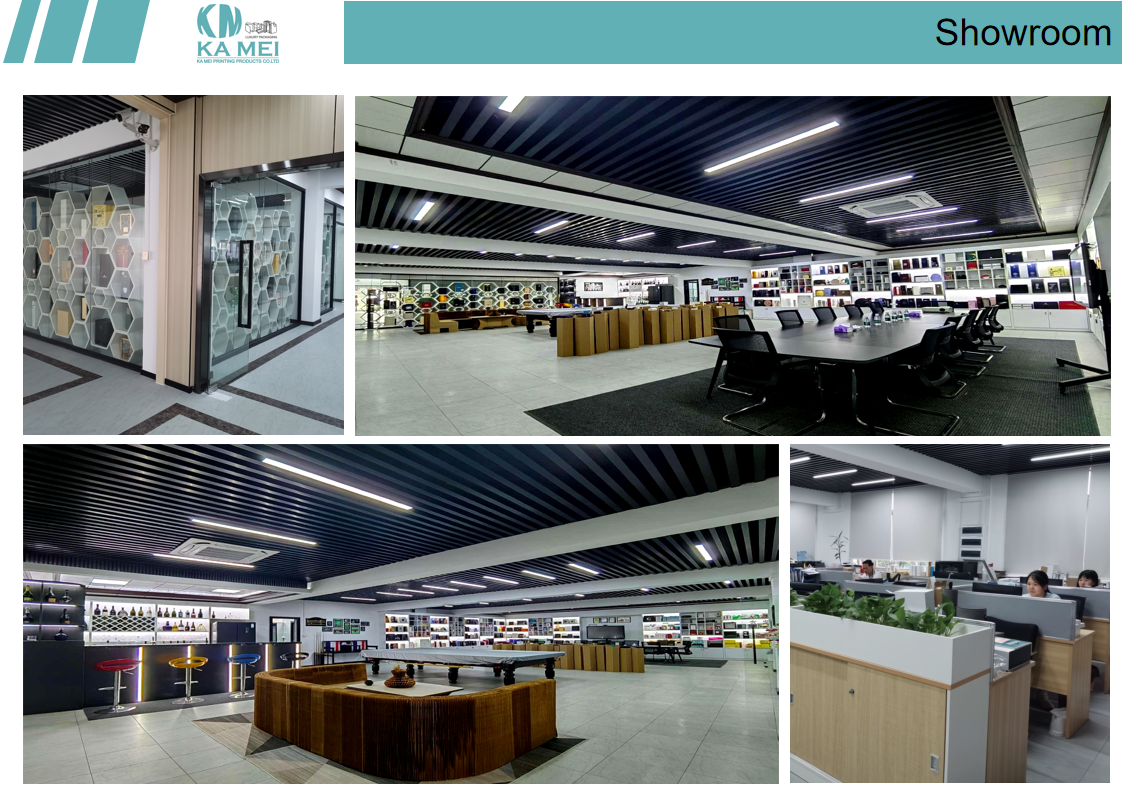
After more than ten years development, we have built our own factory building with total area of 15000 square meters and own various equipment, German KBA printing press with 6C+1 varnish, die-cut machines, V slotting proof machines, paper cutting machines, automatic slotting machines, UV silk screening machines and hot stamping machines , multiple assembly lines with hundreds of experienced workers.

CONTACT US

If you have any queries, get in touch today! Don't hesitate. We try to take the extra step for our customer satisfaction.
Name
xxx
Email *
xxx@xxx.com
Estimated Quantity *
Message *
Got a question?
Destination Country *
Picture
Show us What you need
Code *
Click to verify
Leave a message
Name
xxx
Email *
xxx@xxx.com
Estimated Quantity *
Message *
Got a question?
Destination Country *
Picture
Show us What you need
Code *
Click to verify